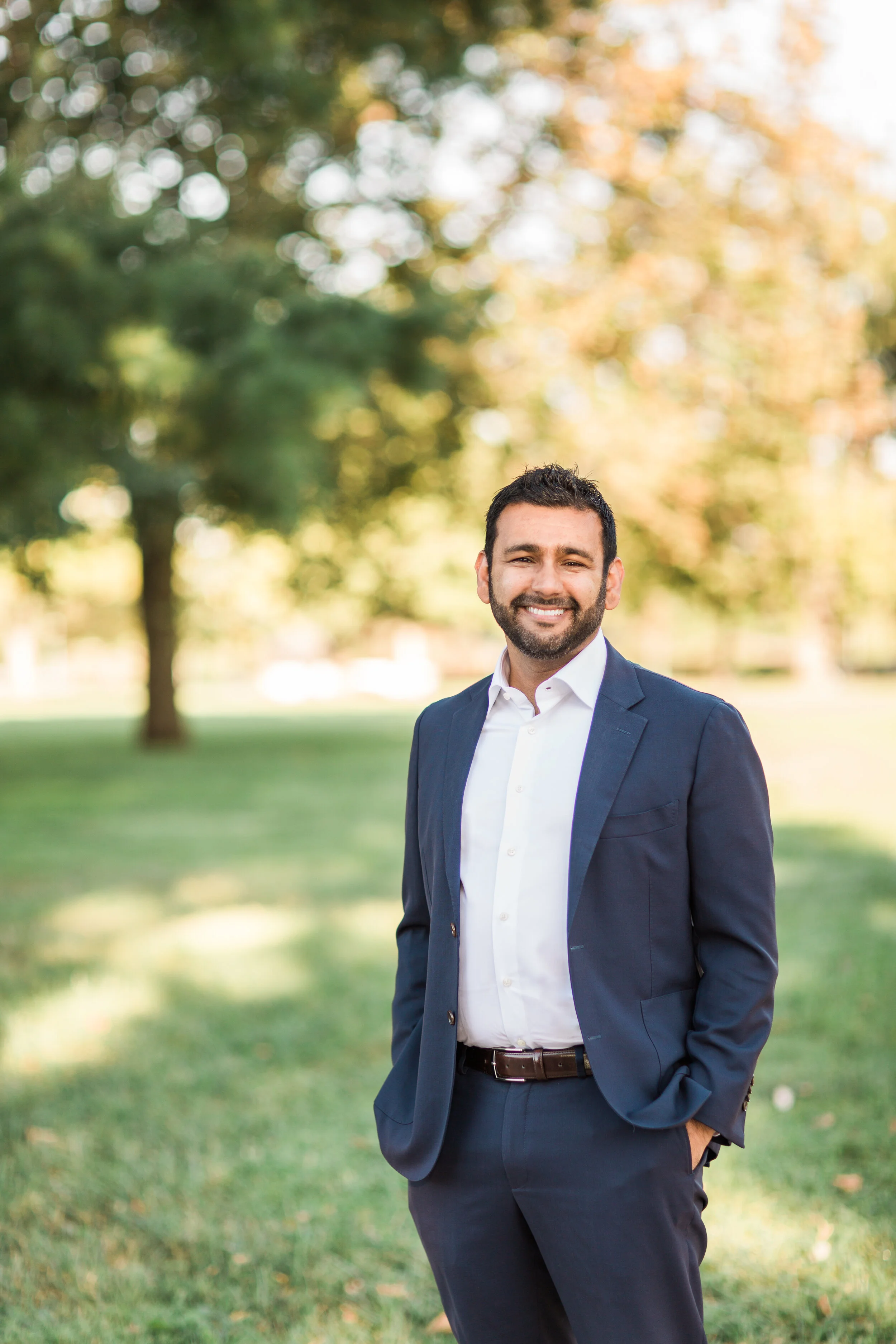
Ehsan Zaffar

I write, teach and work on civil rights and civil liberties issues within a national security context. This is my personal blog.

Find Me Online

ezaffar(at)gmail.com

Close

Blog

Previous Next

Conflicted Communities: Challenges Faced By Post-Conflict Immigrants and Refugees in the U.S.

image

I was recently at a meeting with the Somali-American community in Boston.  This community, like many others across the country, is increasingly dealing with troubled first-generation youth.  Many members of the Somali-American community, like other communities, arrive in the U.S fleeing conflict - seeking residence in the U.S. as refugees.  Many of the problems that plague post-conflict societies (similar to the problems that face post-disaster societies) are enhanced and magnified when individuals from these communities must simultaneously learn how to live in a new country, with all it’s attendant trials, tribulations and disruptions.  These challenges, coupled with a poor domestic job market and some of the post-traumatic stress many refugee communities are simultaneously coping with make it even harder to create safe, nurturing and fulfilling environments for young adults.

For instance, many parents from these post-conflict communities are unfamiliar with U.S. laws and cultural norms.  They come from cultures (as do I) where the responsibility of the child often doesn’t end at the age of 18.  The child isn’t expected to move out and become independent.  Rather, he or she may be expected to remain in the home, contribute financially, and perhaps even establish a family all under one roof.  These expectations often clash with the value young American adults place on independence, autonomy and freedom.  A post-conflict parent may be even more susceptible to relying on their children, seeking the succor and cohesiveness of the family unit due to the disruptive and deadly experiences of community conflict they escape from.

Many parents from these communities often have different ways of disciplining their children.  Community members I heard from also mentioned that beating their children (as a form of domestic corporal punishment) was considered a valid way to discipline children.  Many community members are surprised to learn that disciplining children this way can be considered child abuse in many jurisdictions across the U.S. (though it wasn’t long ago when “beatings” were a common way to discipline youth in the U.S.).

Then there is the larger issue of mental health.  I learned that many parents, and to a lesser extent their children, suffer from various stages of post-traumatic stress and depression.  These mental illnesses can be debilitating and make it difficult, if not impossible, to pay attention to children, particularly as they go through their teenage years. Many such communities often place a stigma on discussing these issues or obtaining professional help from a therapist or psychologist - often to the point of refusing to acknowledge that such a problem exists (e.g. “only Americans have mental problems”).

Lastly - many individuals fleeing internecine communal conflict haven’t had the opportunity to obtain meaningful education or job training (Somalia for instance is a country so torn with conflict that hardly any semblance of a functioning federal government even exists).  Parents without a higher education are more prone to economic shocks and less likely to be able to support themselves or their families in a meaningful way.  Young adults thus have additional pressure to find gainful employment both for themselves and their families rather than seek higher education after high school.

And it’s not like these jobs are easy to find in this economy. Youth unemployment can cause feelings of shame, guilt, and frustration.  Many young adults in these communities also don’t receive the attention they deserve from already busy parents.  Meanwhile, they have to deal with the duality of the American experience - an original culture with different mores and a different language at home and an entirely different “American” experience outside the home.  Faced with this dichotomy of cultures, the atmosphere at home can often feel repressive and irrelevant - failing to provide the tools young adults need to deal with more “modern” problems.

A search for solutions to these seemingly intractable problems begins with a reframing of the mindset about young adults: in other words, it’s important to note that “Kids do bad things, but there are no bad kids” and that for the most part, these children have been influenced by large environmental constraints and pressures beyond their control.  This mindset shift can encourage community guardians, such as local law enforcement, community counselors and community advocates, to think about challenging and reforming the underlying environmental factors that encourage youth crime rather than attacking the crime itself. 

For instance, post-conflict communities can often be hesitant to share information outside the community.  A good step is to encourage dialogue between these communities and local law enforcement.  Many young adults in these communities are vibrant and intelligent individuals who would excel at a variety of careers - thus job placement and job training programs, especially those that take advantage of their unique cultural and linguistic talents, would be a step in reducing angst and youth violence.

Lastly - nothing really changes until the community decides to change itself. Many post-conflict communities are disrupted, disorganized and riddled with internal conflicts and disagreements.  The communities in the U.S. tend to divide along cultural, linguistic or religious lines that sometimes mimic the conflicts happening back home.  Those communities that heal and bridge these gaps (and many have, throughout this country’s history) and talk to each other can then begin to advocate as an organized unit for their community with other institutions and actors in society.

Interested in Social Change? The AMANI Institute Would Like to Hear From You

I serve on the board of a non-profit started by a dear friend and colleague - Roshan Paul.  I’ve had the pleasure of seeing the idea for his organization, the AMANI Institute, blossom in his mind and grow to encompass a vision of social change through smart, focused, and values-driven education reform.

The AMANI Institute is an educational training program that offers courses to encourage and develop leadership skills in social change.  Roshan and his team have done some great work, are backed by a number of other educational institutions such as George Mason University and are currently seeking applicants for their Post-Graduate Certificate in Social Innovation Management (SIM).

I encourage you to learn more and apply for the program (classes start in June 2013!).

Former Secretary of Homeland Security, Gov. Tom Ridge, to speak at my next class

Governor Tom Ridge, the first Secretary of the Department of Homeland Security shall be speaking to my students on March 25.  A pioneering leader in the field of homeland security, Gov. Ridge will be speaking about his work in the immediate aftermath of the 9/11 attacks and the previous administration’s efforts in responding to the post 9/11 world by creating the largest federal agency in the world.

For those interested in attending, please feel free to send me an email asap as space will is limited.

Ancient Middle Eastern Religious Communities on the Verge of Extinction

image

There is no doubt that Iraq, despite considerable efforts made by the Iraqi government, NGO’s and the U.S-led coalition, has nonetheless been a chaotic place for the past three decades.

For much of my life the birthplace of civilization has been the cradle of conflict.  I remember being fascinated when my parents told me about the war between Iraq and Iran. Here was a war that had been going on since before I was even born.  A concept that fascinated me at the time, but that saddens me today … because war in one form or another has raged mostly unbated in Iraq since my birth.

More than anyone else, the religious and ethnic minorities in Iraq have suffered inordinately - losing not only their livelihoods, homes and possessions, but sometimes also their lives.  Their plight is made all the more troubling since many around the world don’t even know that Iraq is home to a diverse set of religious minorities - including some communities (such as the 3,000 Sabean Mandaeans) that have been living in Iraq since pre-Christian times.

Today, many have fled the country, seeking refuge in Europe, the U.S., Kurdish Iraq or in other neighboring Middle Eastern countries.  I have learned a lot about these communities through regular interaction and close friendships with many of those refugees who chose to settle here in the U.S and last week I spoke about their plight at a conference in Toronto.  

If you are interested in helping either by donating time, labor or funds, I urge you to contact me or any of these organizations:

Iraqi Christian Relief

Chaldean Federation of America

Sharing strategies: Strengthen institutions, US policy aide tells Pakistanis

“A policy adviser to the US Department of Homeland Security (DHS), Ehsan Zaffar, has said that Pakistanis need to seriously consider the state of civil society in their country.

‘All of the internal mechanisms are only going to work so long in the face of deteriorating social and economic conditions,’ Zaffar told The Express Tribune.

He is in Pakistan on a trip to share strategies for engaging government leaders on civil rights issues as well as learning from Pakistani people …

More from my recent interview in The Express Tribune »

Prime-time interview (mostly in Urdu) from my recent trip to Pakistan - recorded live from the former U.S. Ambassador’s residence in Karachi. Many thanks to colleagues for organizing and also to consummate professional Fayaz Naich for conducting a stellar interview.  I was a bit exhausted by the time I got to this part of my trip, but I enjoyed speaking about the quest for civil rights irrespective of the economic trials and tribulations faced by those who fight for these rights - the quest for rights is a necessary precursor to any related endeavor for security, sustenance and economic freedom.

Reframing a Load-shedding Civil Society

It’s not easy to fight for rights and human dignity when you don’t have power for half the day.  Punjab Province in Pakistan loses it’s electricity every other hour as part of the “load-shedding” so common now throughout the country.  Computers turn off every other hour.  Air conditioners sputter, and the stifling, wet heat makes it’s way in to every room.  The power company, low on funds and lacking expertise, can’t cope with excessive demand.

Half the talks I have given have been in rooms without power.  Talks where I have spoken about the need for strong civil society, strong government institutions and the importance of fighting for one’s civil rights and liberties.  But how can you fight for your rights, when issues like access to power (and related issues like access to clean water, healthy food and security) haven’t yet been resolved?  How do you even begin to challenge the institutions of power when half your workday is spent doing nothing?

The question has no easy answers.  The natural tendency is to pivot to address the load-shedding problem first, and then worry about problems higher up on Maslow’s hiearchary.  The problem with this “resources first” approach is that people in all societies, especially the young, poor and elderly, continue to have resource issues irrespective of how developed their societies are.  And though these issues may sometimes not be as severe as those in Pakistan, the quest for civil rights and human dignity cannot be paused for the equally important work to obtain access to basic needs.

Many folks in developed countries would die to have 4-5 hours a day away from their computers, facebook and other distractions in order to focus on long-term projects.  Perhaps, load-shedding isn’t just an annoyance and a drain on productivity and morale, but a time to work on a long school paper or complicated project proposal.  Perhaps load-shedding is time to take a break and read a book, or check in with loved ones.  Perhaps load-shedding is, for better or for worse, an imposed fast either to take a break or work harder on those things that matter.  

Muslims in Pakistan and across the world fast once a year during the Holy Month of Ramadan.  During this month, which just passed, they drink no water and eat no food from dawn till dusk. They fast not just to become closer to God and to sympathize with those who have less, but also to gird themselves against temptation and motivate themselves to do good work.  In other words Ramadan is just as much about discipline as it is about spirtuality and good deeds. 

Perhaps load-shedding, though not voluntary, is a societal fast of the same order.  A time for Pakistanis to work harder, or work slower.  A time for them to focus on what matters or take a break.  A time, perhaps, to ask tough questions about load-shedding itself, and through focused work and consultation, begin working on a solution to the problem. 

ISLAMABAD, PAKISTAN - Fantastic conversations with the National Youth Assembly, Pakistani Global Shapers of the World Economic Forum as well as other civil and human rights activists from across the country.  Looking forward to more stimulating conversations and engaging questions in Lahore and Karachi over the next few days.

White House Hispanic Action Summit

I had the honor of participating in the last White House Hispanic Action Summit this past weekend.  It was a great chance to meet over 200 Latino community members from across the Bay Area and also have the chance to share the administration’s new deferred action policy and civil rights protections with the community.

More information about the Summit can be found here.

Back to Top

Twitter

Previous Next
Load More Tweets
Back to Top

Ask me anything

Previous Next
Back to Top

Submit

Previous Next
Back to Top

by